You'll find expert guidance for crafting professional business letters that get results, whether you're reaching out to partners, handling HR matters, managing creditor relationships, or closing sales deals. Great Business Letters is here to help.
Why not try our free tool Business Letter Generator to get instant personalised help.

Sales Letter: Notification of Discontinued Products
Tell your customers and distributors about discontinued products with a straightforward business letter that covers timing, stock plans, and next steps.

Letter of Acceptance of Sponsorship
A sponsorship acceptance letter confirms a new business relationship and outlines what both parties will gain from the partnership.

Format and Fonts in Business Letters
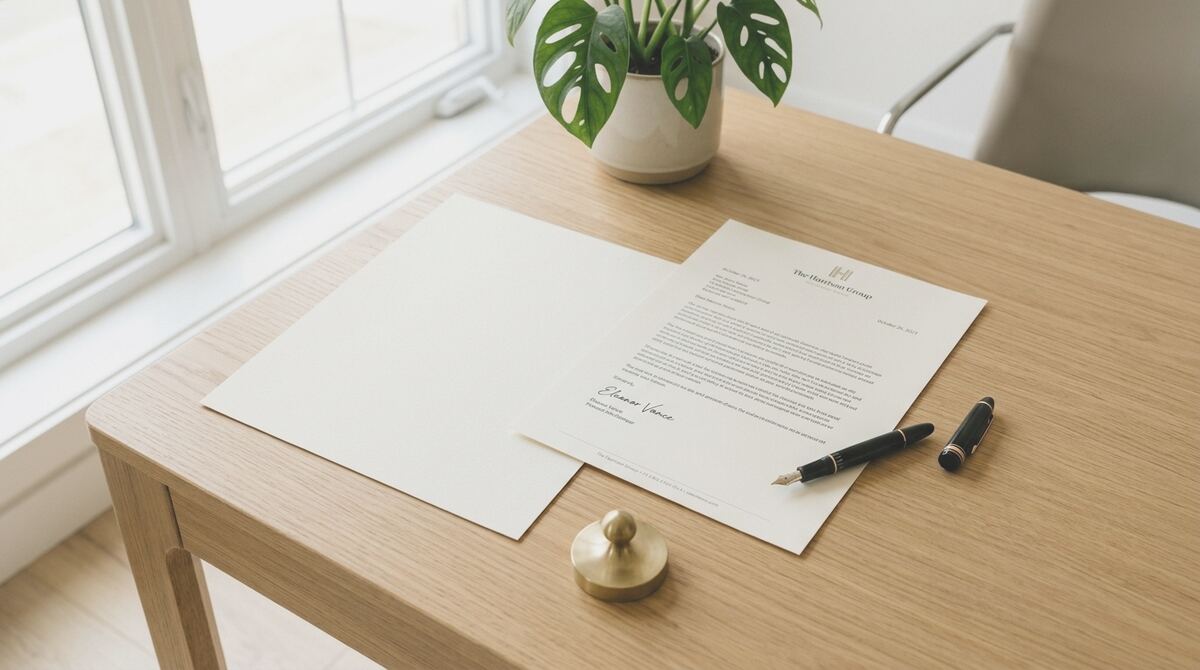
Choosing the right format and font for your business letters affects how professional and credible your message appears.
Business Letter Generator (Free Tool)
Tell us the situation and we will draft a polished business letter ready to personalise and send.

Letter Template: Querying a Business Energy Bill
If your business energy bill seems unexpectedly high, unclear, or based on questionable meter readings, you have every right to request a full breakdown.

Letter Template: Notify Business Energy Supplier of Switch
To notify your current business energy supplier that you are switching, send a formal letter stating your contract end date, account details, and your.

Recognising Differences in British and American English
British and American English have real differences in spelling and grammar that can make your business writing look sloppy if you mix them up.

Guidelines for Office Memos
Good office memos are brief and direct, tailored to your audience, and include only information the recipients actually need to know.

Letter of Apology Following a Complaint
How to write a proper apology letter when customers complain and what to include to show you take their concerns seriously.

Letter of Complaint Regarding Team Member
When to file a formal complaint about a coworker and how to write a letter that addresses the issue professionally.

Business Letters and Call to Action
End your business letters with a call to action that identifies what your reader needs and gives them a clear reason to act.
Do You Respond Well to Letters of Complaint?
A bad response to complaint letters can damage your business relationships, but most organisations don't realise their replies aren't good enough.

Focusing on the Positives in a Business Letter
Even bad news lands better when you choose your words carefully and focus on solutions instead of problems in business letters.
Format and Fonts in Business Letters
Choosing the right format and font for your business letters affects how professional and credible your message appears.